

Castling is a manuever player's can use to protect their King against threats in the middle of the chessboard. This manuever will use both the King and Rook and will help a player isolate their King in a corner being guarded by their now more centralized and active Rook.
Below we will see some helpful examples, but first let's cover a few rules.
Rule: Castling is the only manuever in chess where players may move 2 pieces during 1 turn.
Rule: When Castling players must move their King first, moving their King 2 squares to the right or left. Players then move the Rook nearest the King to the square on the opposite side of the King.
This will be much easier to understand with the demonstration you'll see below.
Rule: A Player may not castle if their King has already moved during the game.
Rule: A Player may not Castle using a Rook that has already moved during the game.
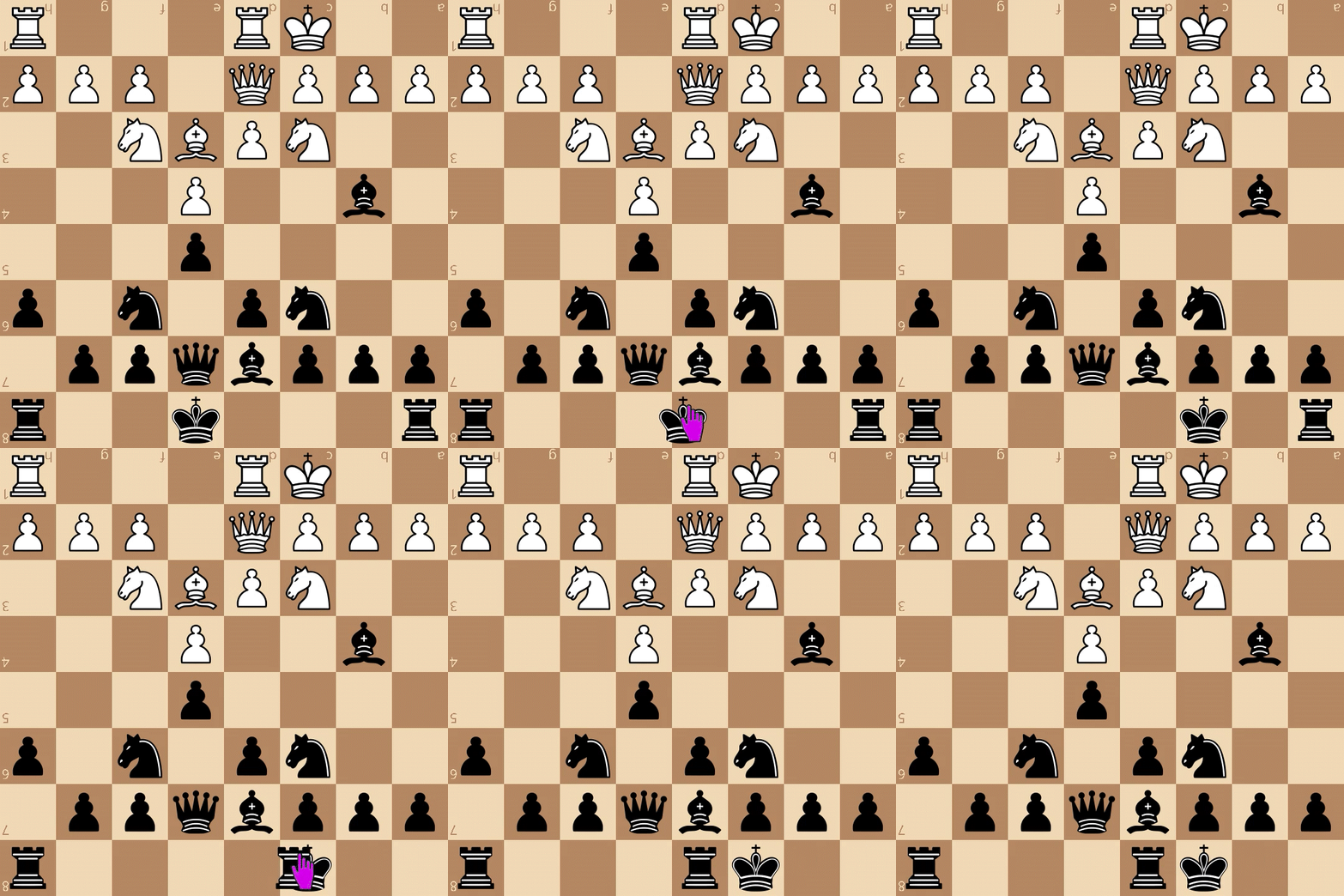
When White Castles Kingside they will move their King 2 squares to the Right, then place the h1 Rook next to the King on the King's Left side.
Notice the White King starts on a dark e1 square and moves into a dark g1 square while the Rook moves from a light h1 square into a light f1 square.
Castling Kingside is sometimes referred to as Castling "shortside".
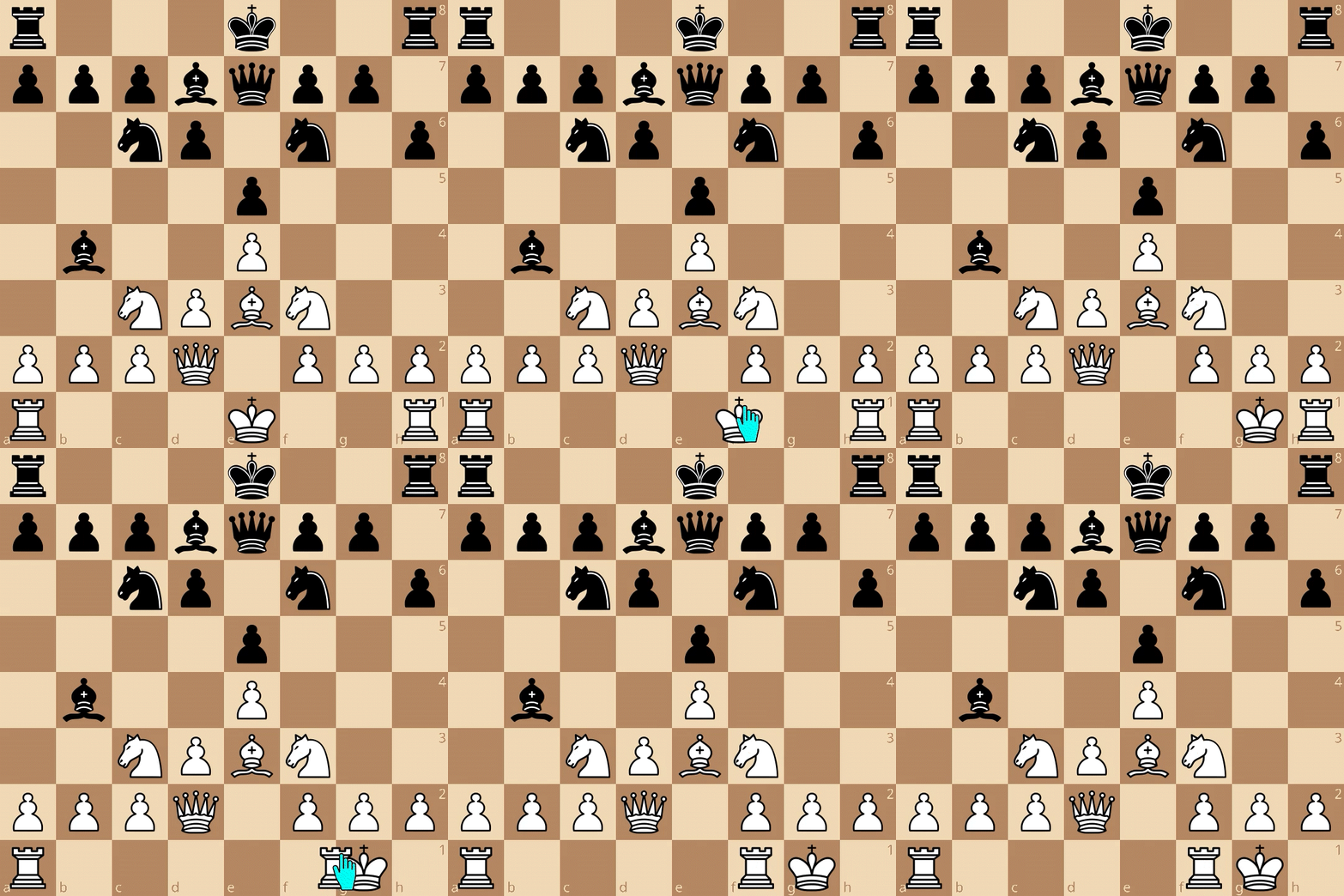
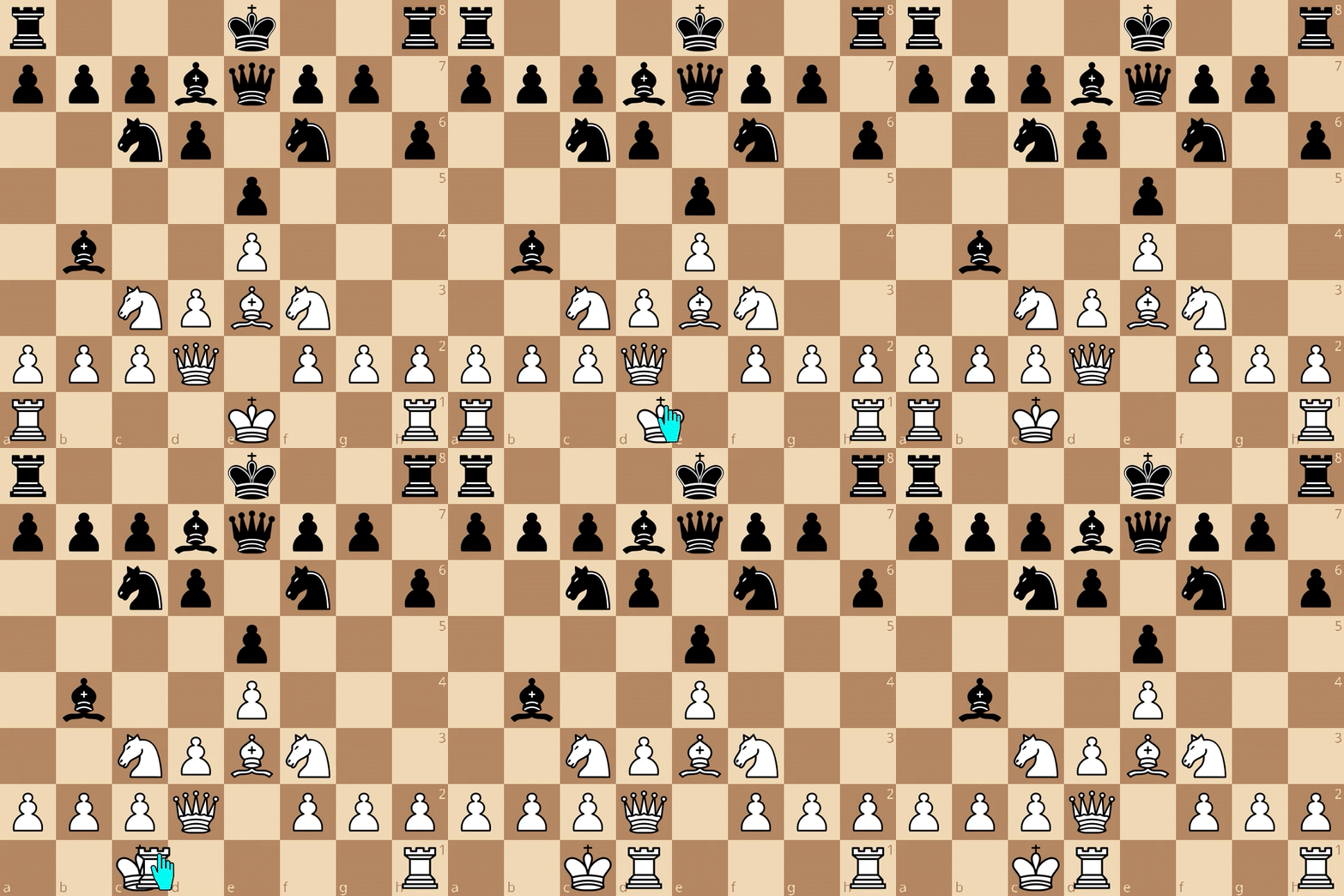
When White Castles Queenside they will move their King 2 spaces to the Left, the place the a1 Rook on the Right side of their King.
Notice in both cases the King moves 2 spaces through the first Rank while Castling.
In both cases the King will move from a dark square into a dark square, however when the King castles Queenside the a1 Rook will start in the dark a1 square and end up in the light d1 square.
Castling Queenside is sometimes referred to as Castling "longside".
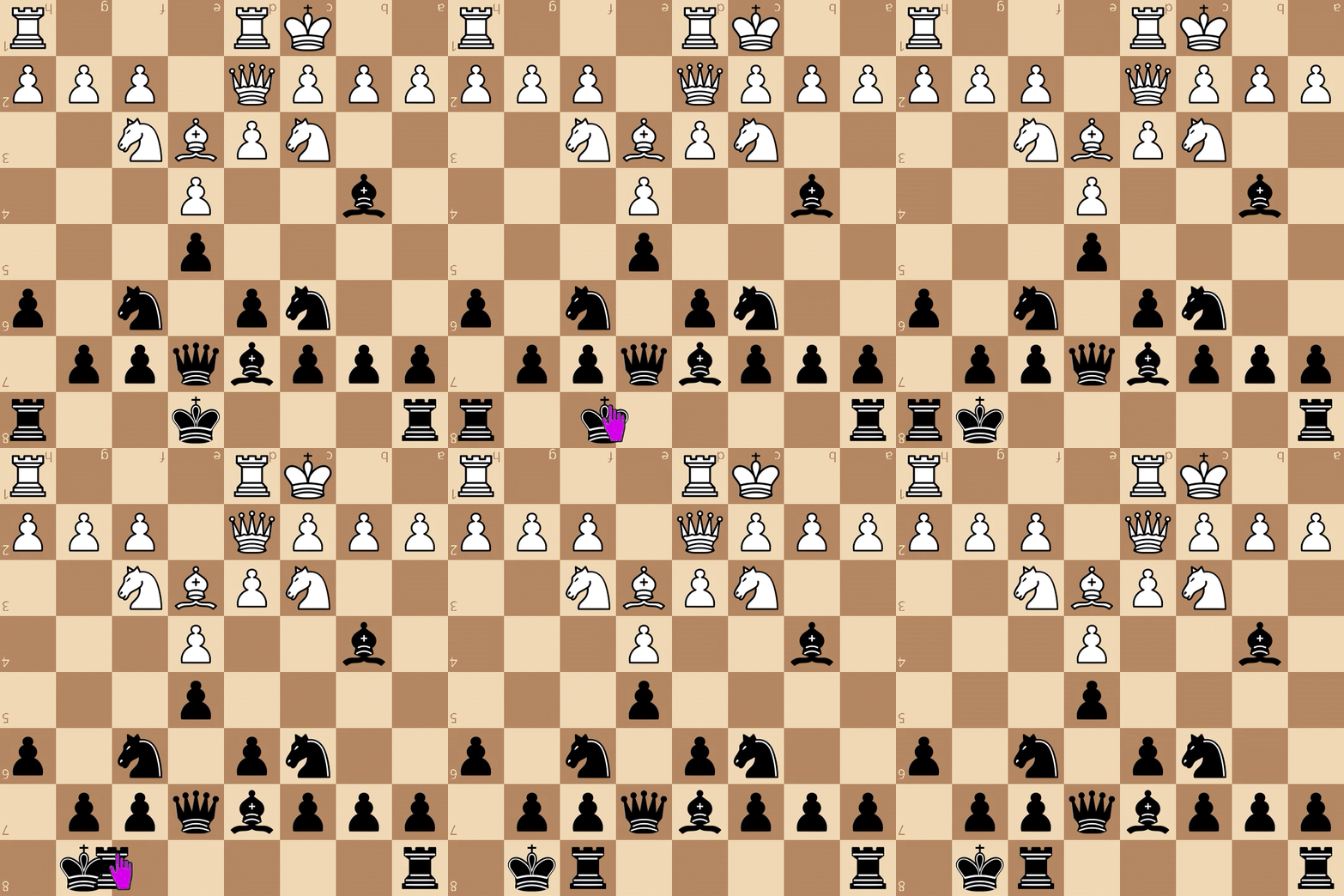
Unlike White, when Black Castles Kingside they move their King 2 spaces to the Left, then place the h8 Rook next to the King on the King's Right side.
Notice the Black King starts on a light e8 square and moves into a light g8 square while the Rook moves from a dark h8 square into a dark f8 square.
Castling Kingside is also called Castling "shortside" for Black.
We understand chess is very complex. If you'd like some
live in person instruction to help learn the game click here to sign up for private one on one lessons.
If Black were to Castle Queenside they will move their King 2 spaces to the Right, then place the a8 Rook next to the King on the King's Left side.
Again, the King still moves 2 spaces through a Rank with the Rook being placed adjacent to the King.
Notice the Black King will move from the light e8 square into the light c8 square while the a8 Rook will move from a light square into a dark square.
This is also called Castling "longside" for Black.
There are 3 specific conditions aside from moving a King or Rook that can prohibit a player from Castling.
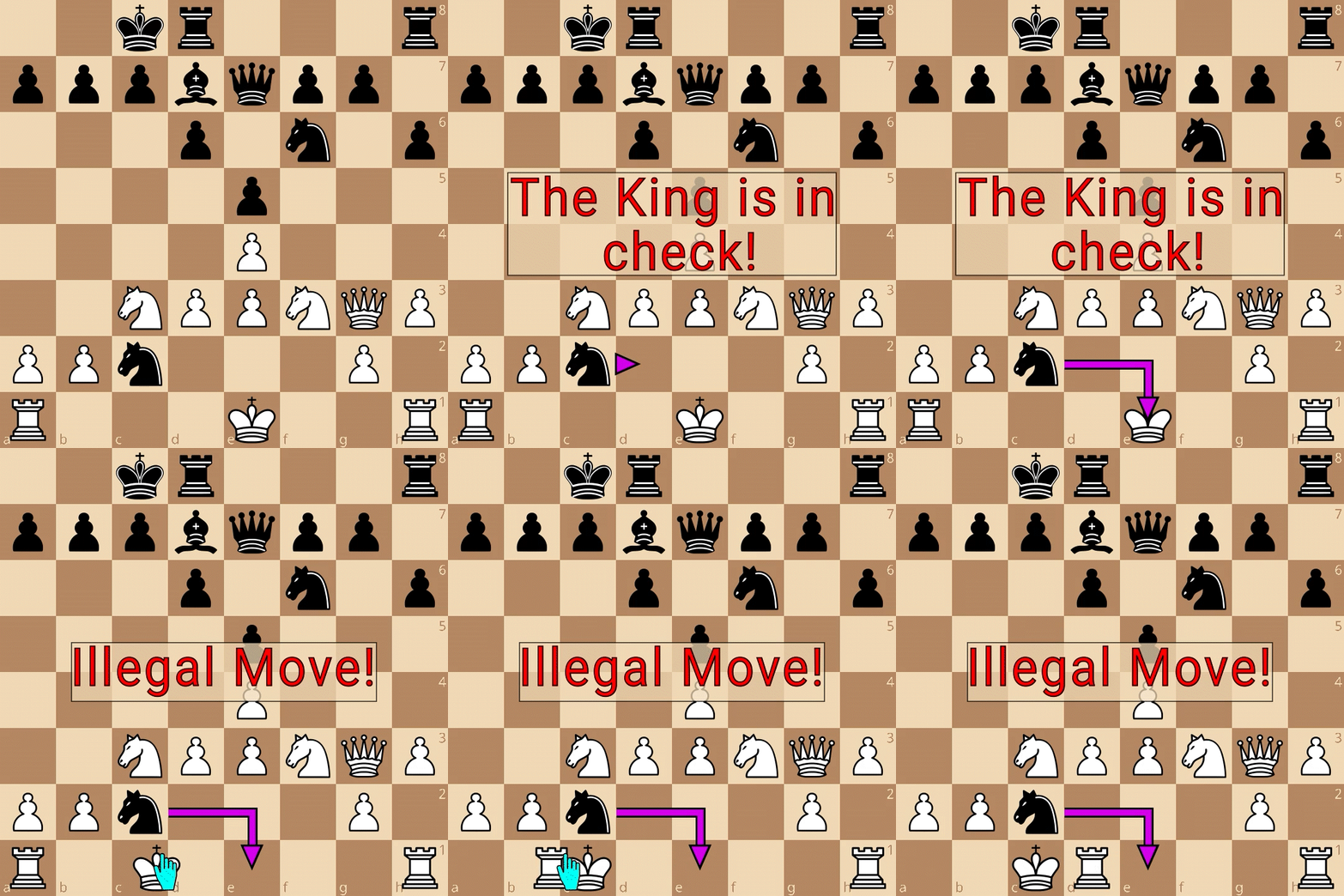
If a player's King is in check it is illegal to escape this check using a castling manuever. Here after Black plays Nc2 the White King will be in check and therefore cannot Castle Kingside.
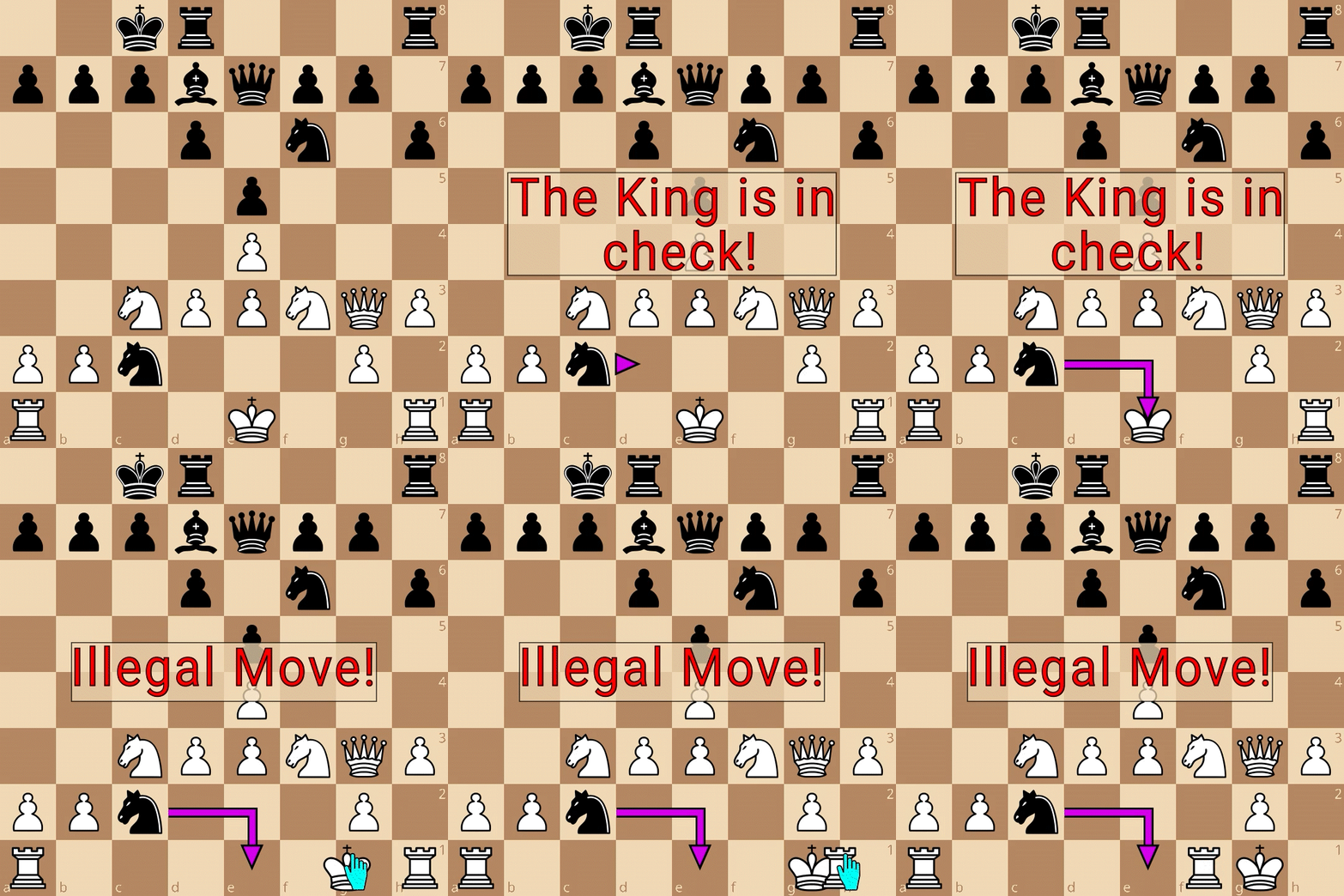
Castling Queenside is also an illegal manuever when a King is in check.
The only moves available for White to escape check are to move the King and King alone!
However, once this King moves they will lose the ability to Castle for the remainder of the game!
Not only can a King not Castle out of check, they also can't Castle into check! Really, when you think about it, this rules makes total sense - a King can never step into a square seen by an enemy - obviously Castling shouldn't be an exception to that rule!
Here we see White CANNOT Castle Queenside for the c1 square is seen by Black's Queen. If the White King were to move into this square the King would be placing himself in check - an illegal move!
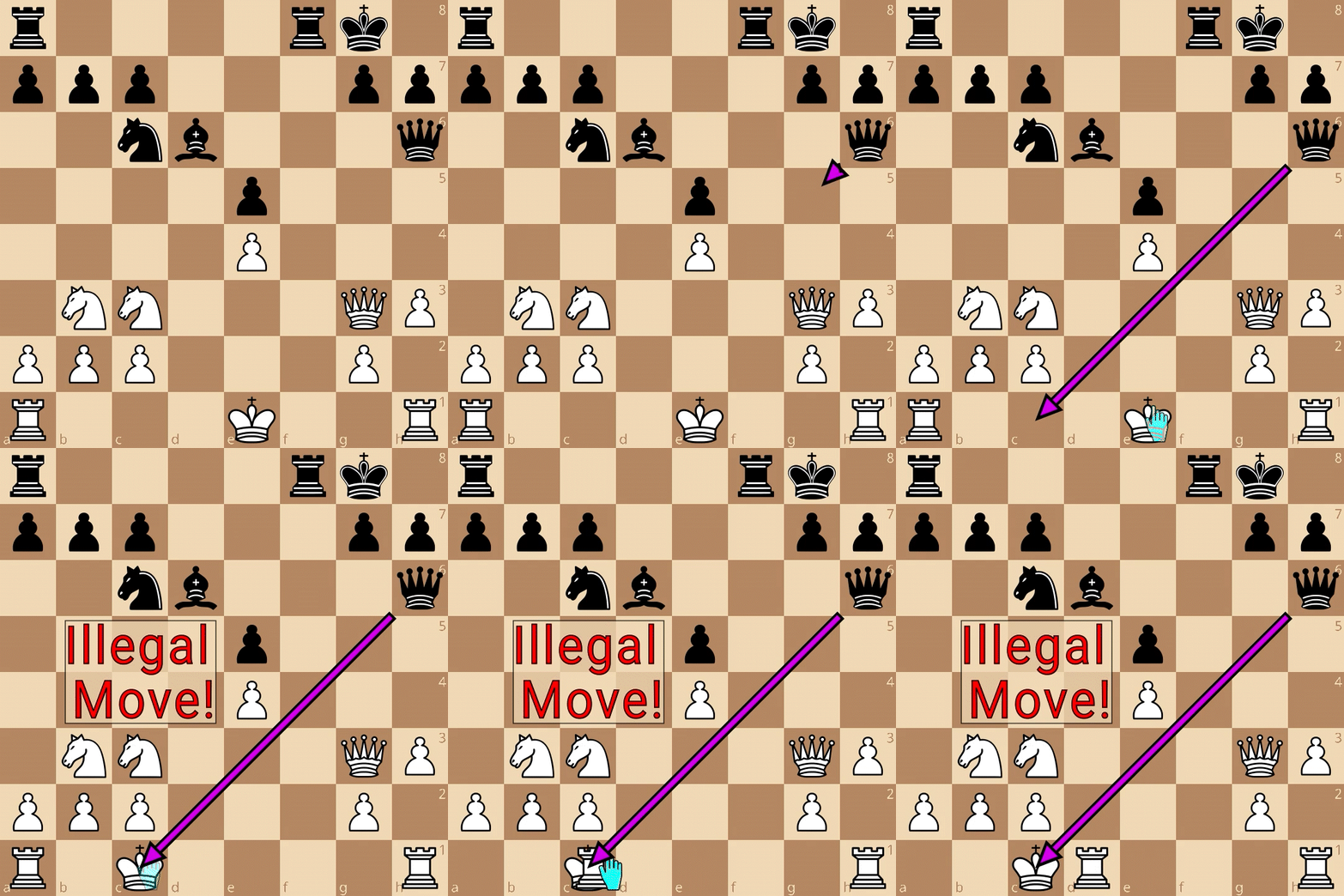
Not only can Kings not Castle out of or into Check, they cannot Castle through check either!
Castling through check means a player's King would be moving through a square seen by an enemy on their way to the final Castling destination square for the King.
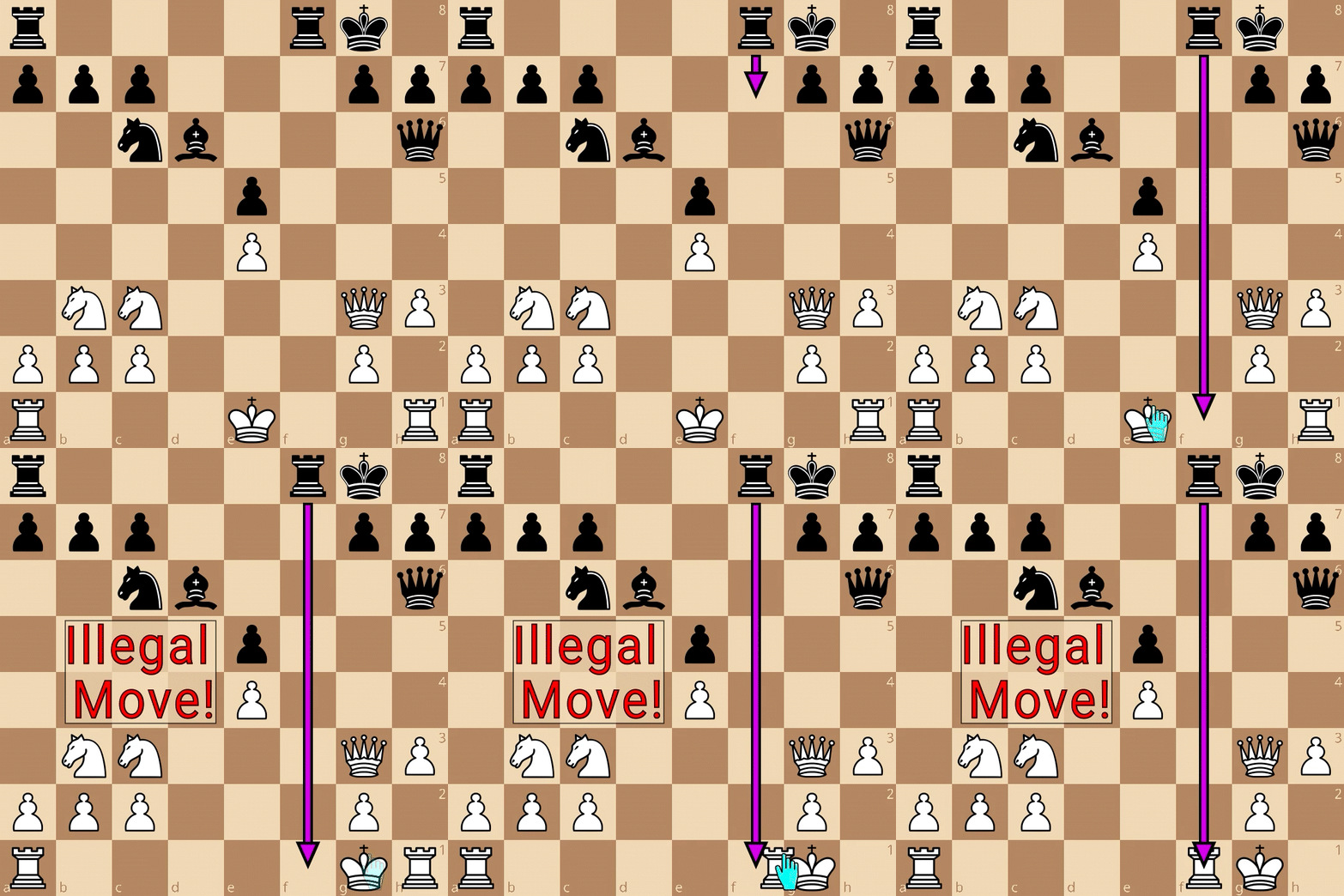
In this case Black's Rook on f8 is looking into the f1 square. Although the White King only steps into the f1 square seen by the Rook for a fraction of a second this is still illegal!
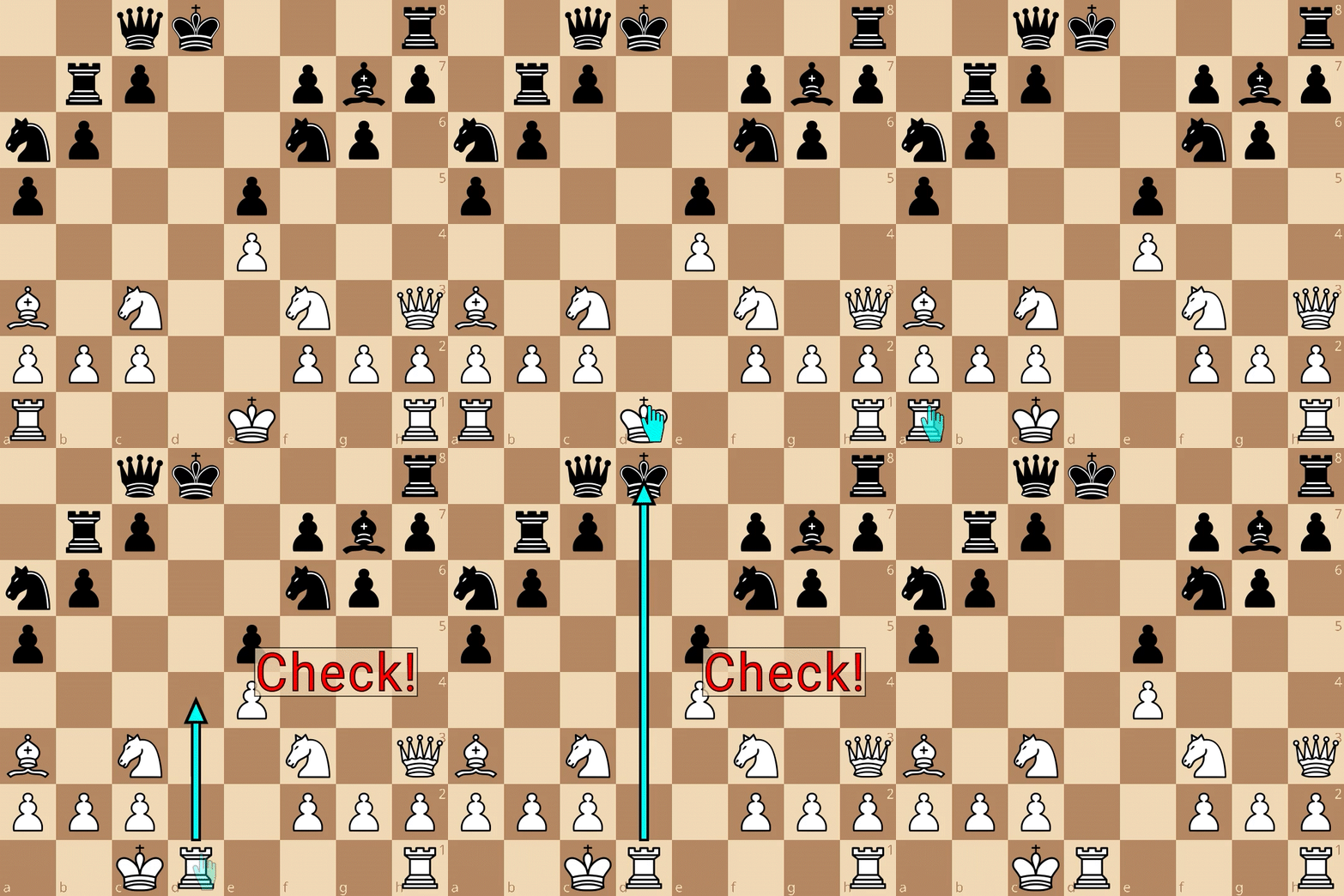
Although a player may not Castle out of, into or through Check a player can check an enemy King using Castling! Here we should White castling King side which results in a check against Black's King once White's Rook is placed into d1.
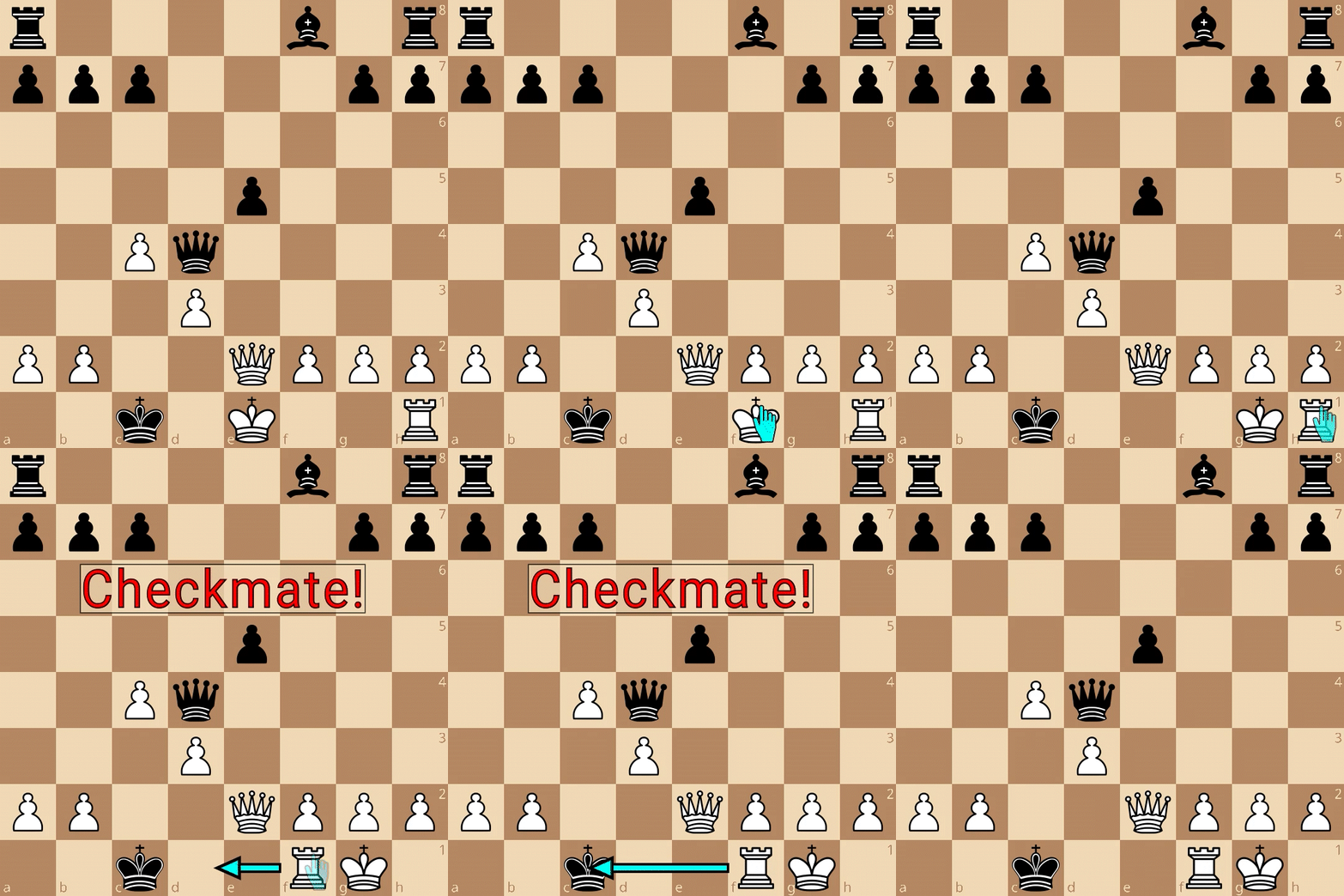
Occaisonally, okay very rarely, okay, almost NEVER will a player checkmate their opponent's King using a Castling but it is possible.
This Checkmate is actually from a real game Paul Morphy played with his father when Paul was just 12 or 13 years old.
If you look carefully you'll notice White does NOT have a Rook on a1 - this is not due to what happened during game - Paul started the game without this a1 Rook to start the game to give his father a chance of winning - clearly it didn't help Paul's Pa too much!

Castling is just one of many neat rules that make chess such a unique game. Pawn Promotion is another unusual element. Click on the Next Button below to learn the rules of Pawn promotion.



Email: support@chattanoogachessdojo.com
Phone: (423) 933-1995
Snail Mail:
4420 Oakwood Dr. #16055
Chattanooga, TN 37416

See the Chattanooga Chess Dojo's privacy policy at www.chattanoogachessdojo.com/privacy-policy