

In chess a Stalemate occurs when a King is NOT in check, but the player has ZERO legal moves to play during their turn.
The word Stalemate began being used around 1765. This word stems from the Anglo-French word "estale", which means "standstill" or "fixed position" while also being linked to German root word for "stall" or "standing place".
If a stalemate occurs the game is considered to be a tie which can be heartbreaking for the player with a significant material advantage.
Below we will show an example of a Stalemate, and a neat "Under Promotion" trick White can use in this position to ensure they do NOT stalemate Black's King.
Here White has created a Stalemate against Black's King. After f8 promoting the Pawn into a Queen the Black King is NOT in check, however there are also ZERO legal moves available to Black, thus Stalemate!
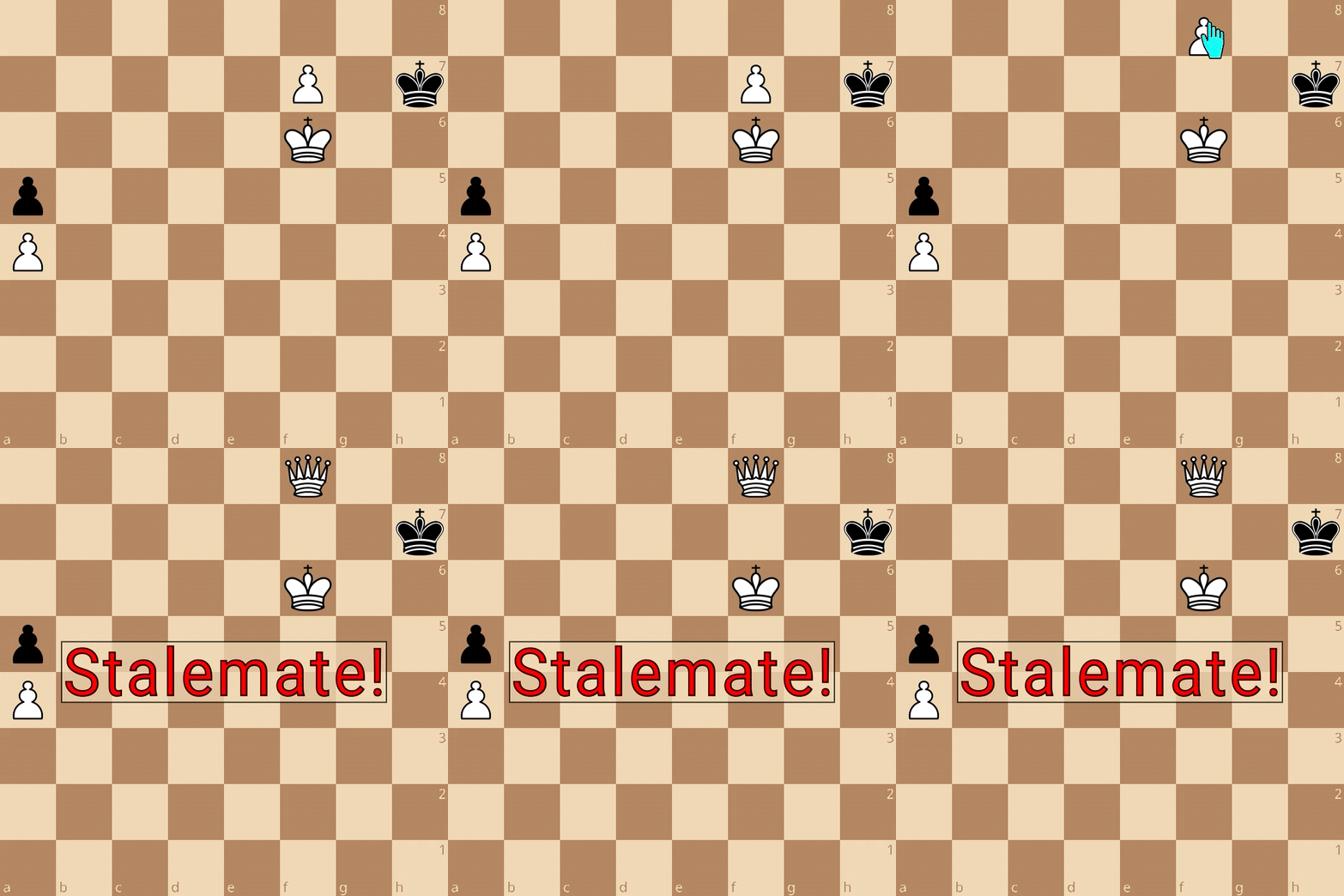
After White plays f8 promoting into a Queen it will be Black's turn to move. However, Black has no legal moves to play!
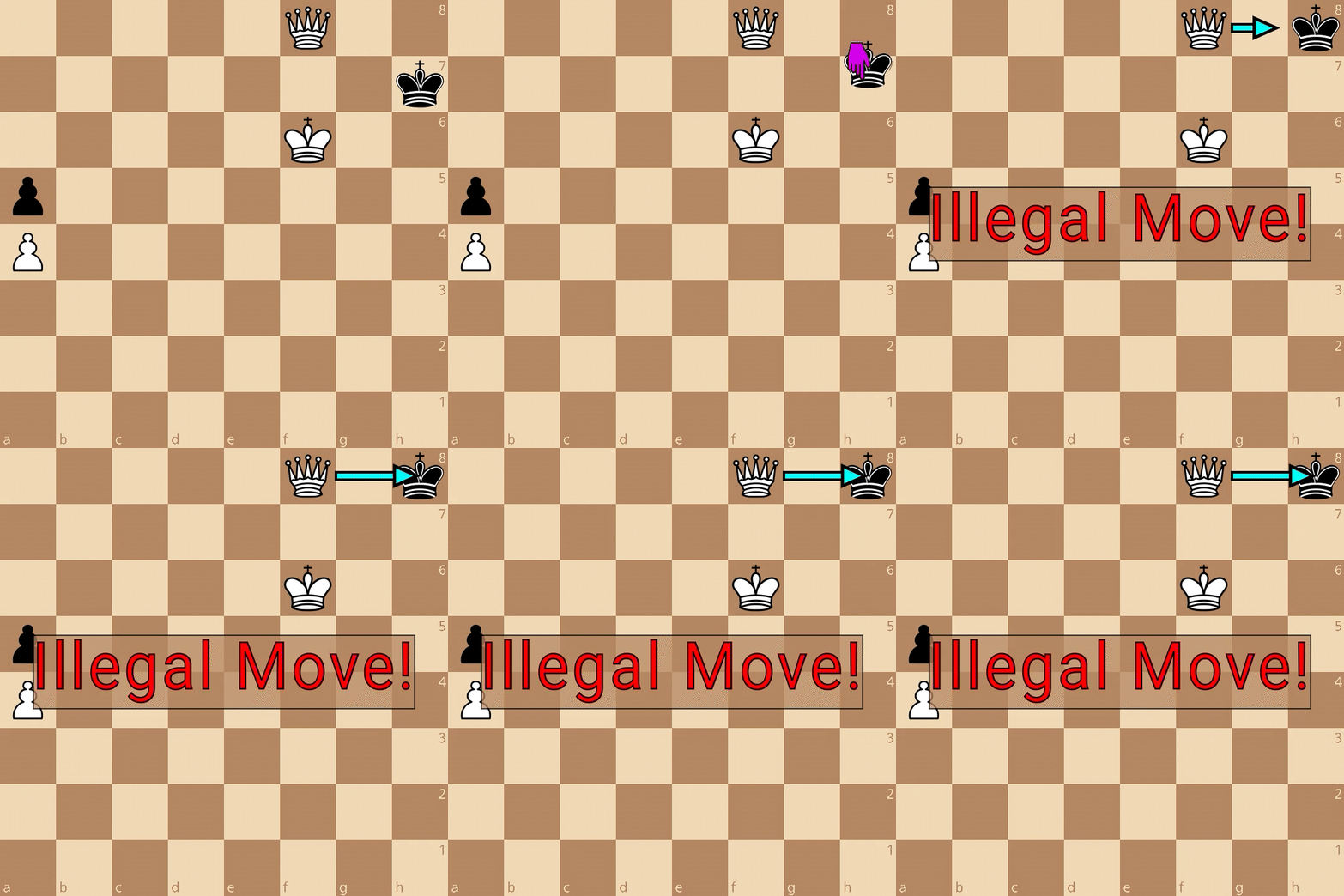
Black's Pawn on a5 is blocked by White's a4 Pawn so this Pawn cannot be moved, so the only piece Black can try to move is the King. However, the King cannot move into the h8 square for this square is seen by White's Queen.
Remember, a King can NEVER move into a square seen by the enemy!
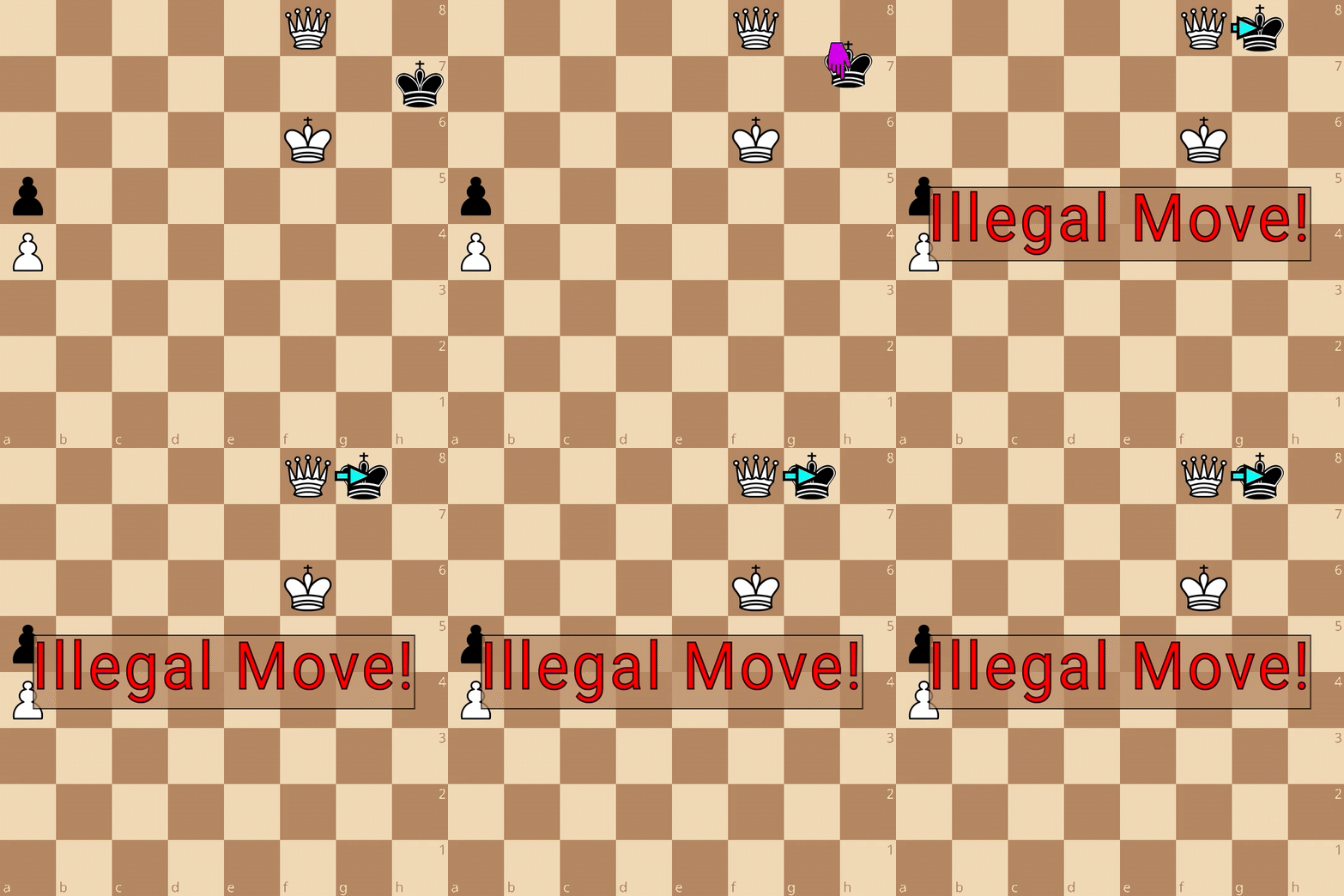
Black's King can also not move into the g8 square for this square is seen by White's Queen.
We understand chess is very complex. If you'd like some
live in person instruction to help learn the game click here to sign up for private one on one lessons.
The Black King cannot move into the g7 square as well. In this case the g7 square is seen by 2 White pieces, the White King and White Queen.
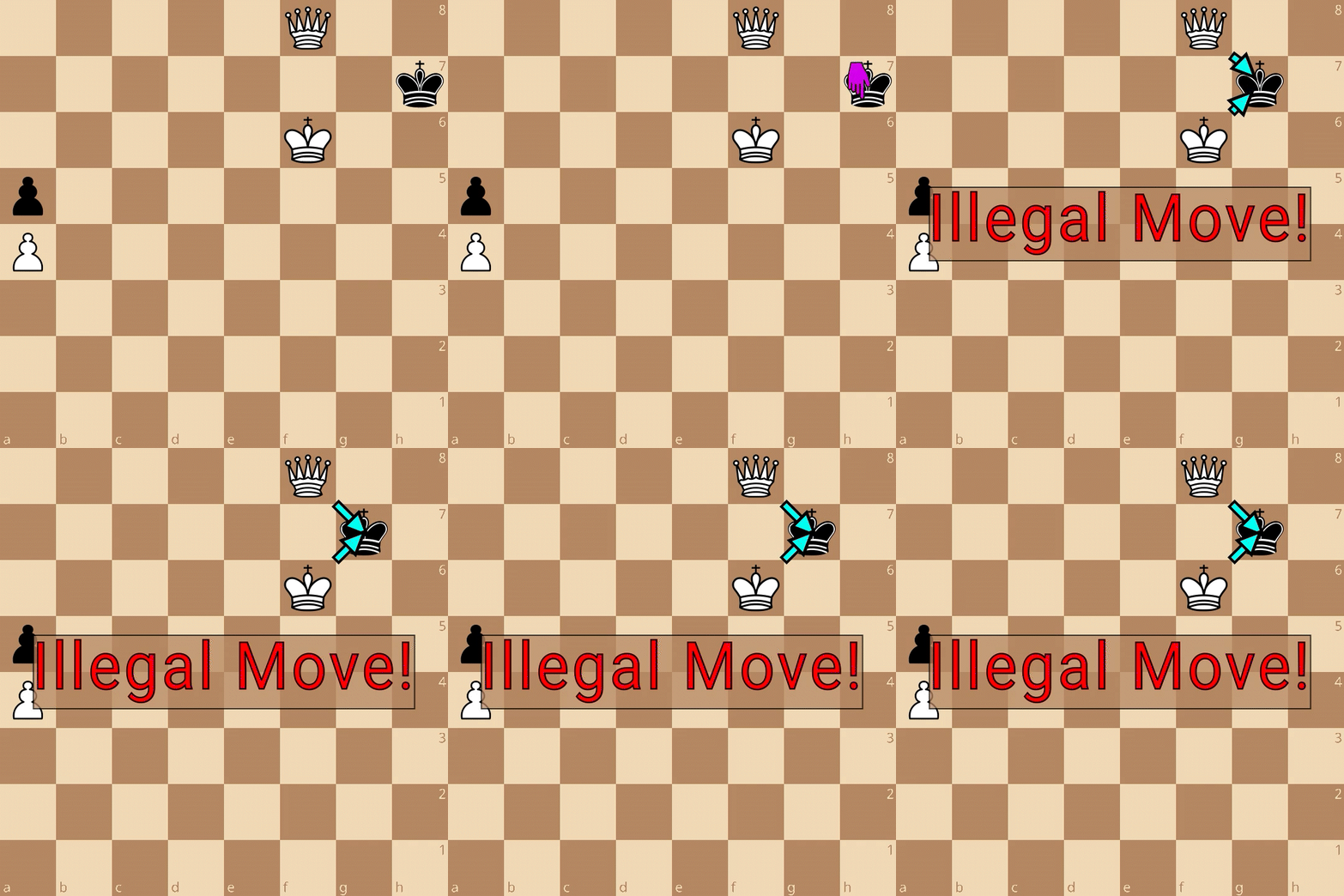
Black's King cannot move into the h6 square for this square is also seen by White's Queen. Usually the Queen's ability to see many squares at the board is a major asset, however when there are not many pieces on this board this asset can become a liability!
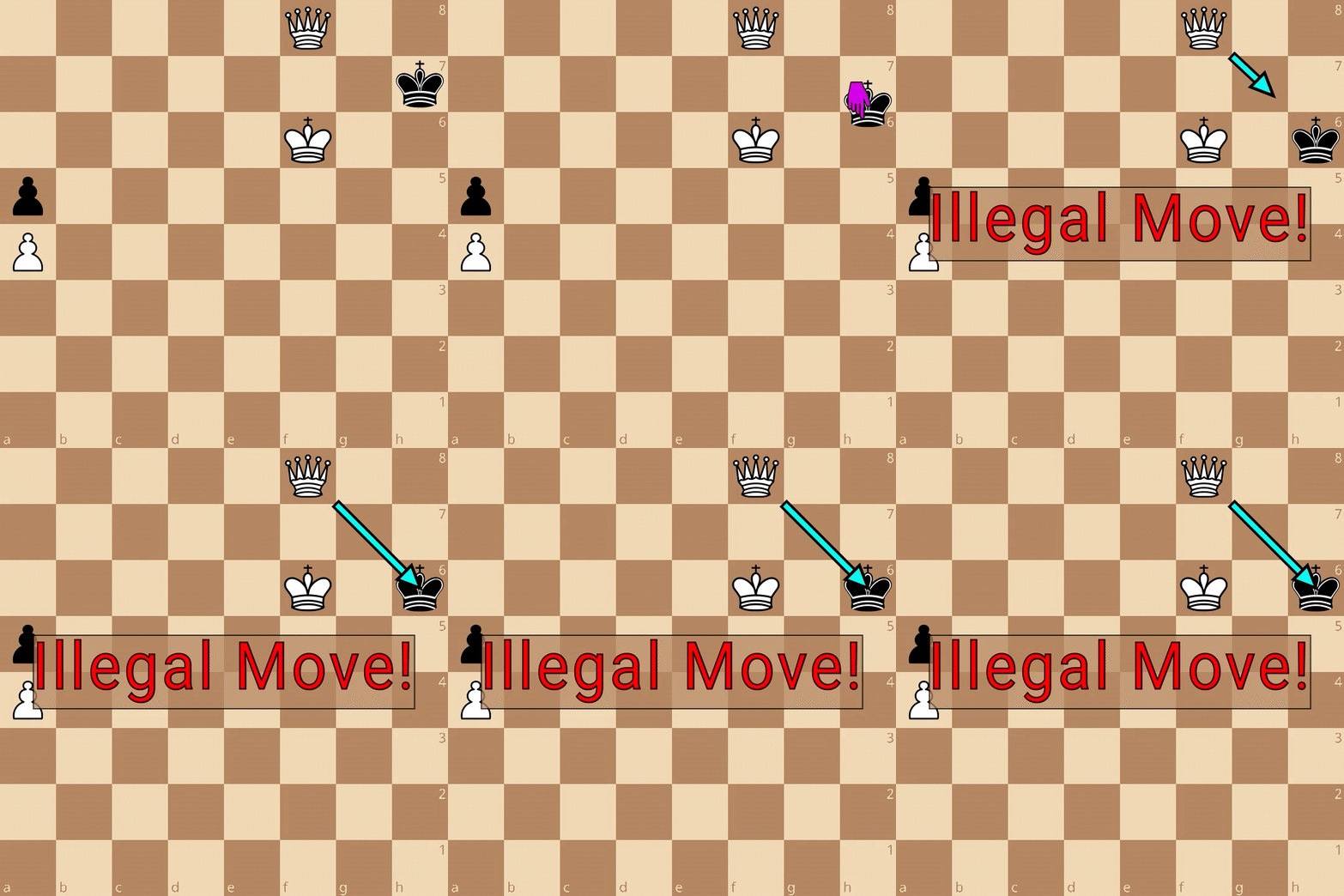
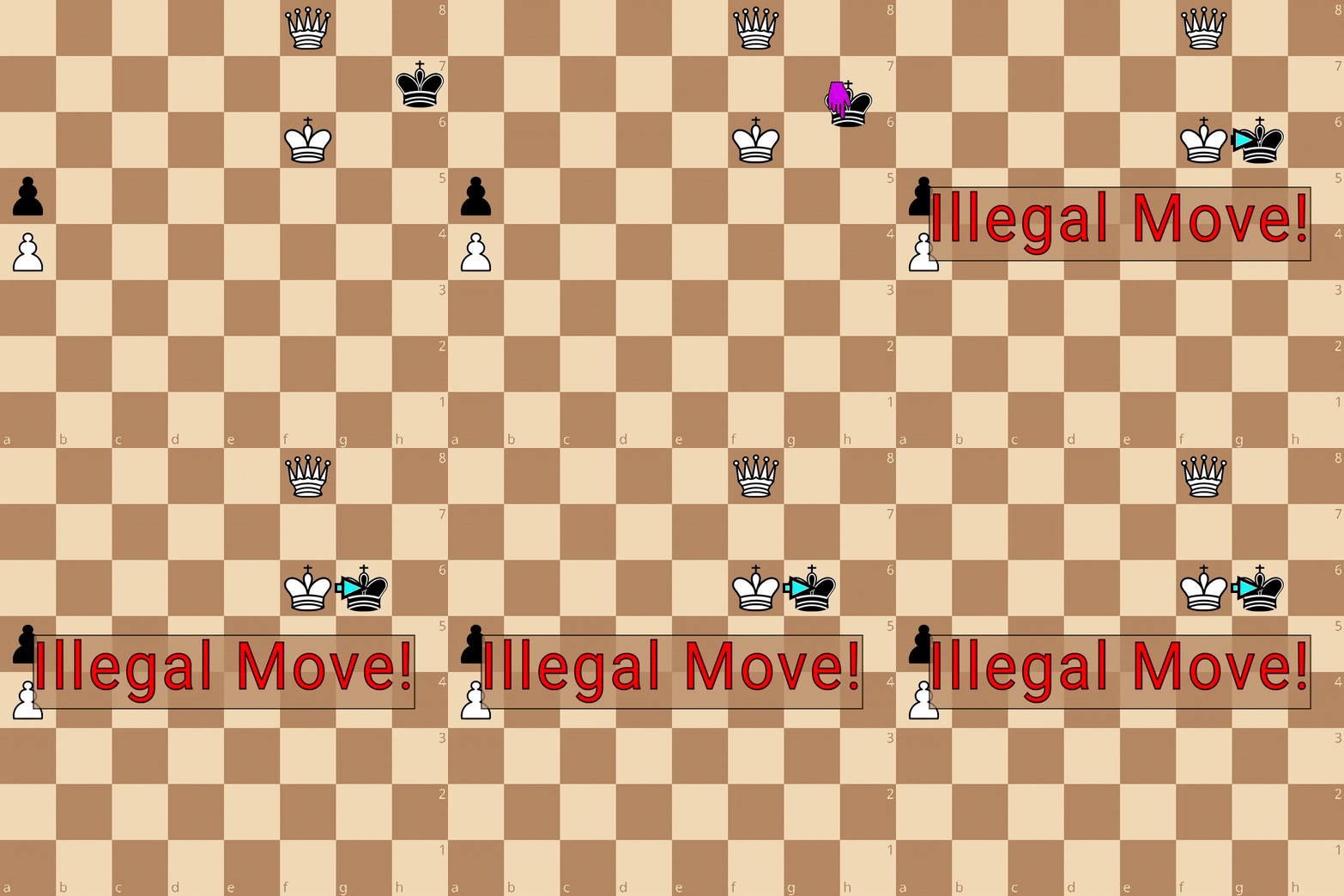
From the h7 square Black's King could see h8, h7, g7, h6 and g6. We know moving the Black King into g8, h8, h6 and g7 is illegal for these squares are seen by the Queen.
Although g6 is NOT seen by White's Queen this move is still illegal for Black for the g6 square is seen by White's King.
As we've seen above Black's King has no legal moves to make due to the position of White's Queen and King, however this Pawn promotion by White would NOT be a Stalemate!
The reason this is NOT a Stalemate is because after White plays f8 promoting into a Queen Black has a legal move - a5!
After Black plays a5 White will be able to secure victory playing Queen to g7, or Qg7 for Checkmate!
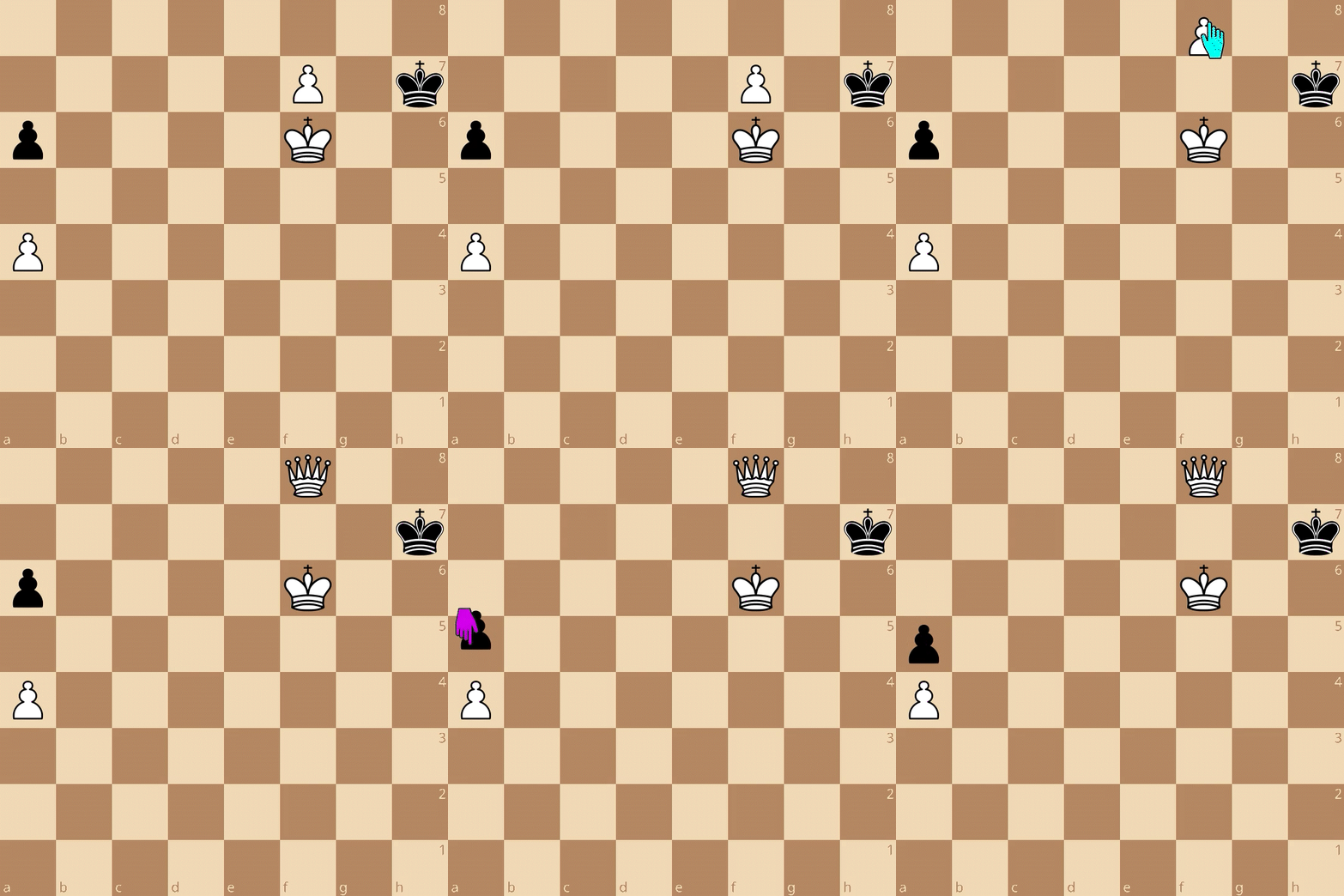
Remember, when a Pawn is promoted it may become a Queen, Rook, Bishop or Knight!
Any time a player chooses to promote to a piece besides a Queen this is considered to be an "Under Promotion". Oftentimes using this "Under Promotion" tactic will help a player avoid Stalemate to eventually secure a checkmate in the future!
Here instead of promoting into a Queen, White will promote their Pawn into a Rook which will leave the h6 square open to Black's King for it is no longer in the Range of Sight of White's Queen.
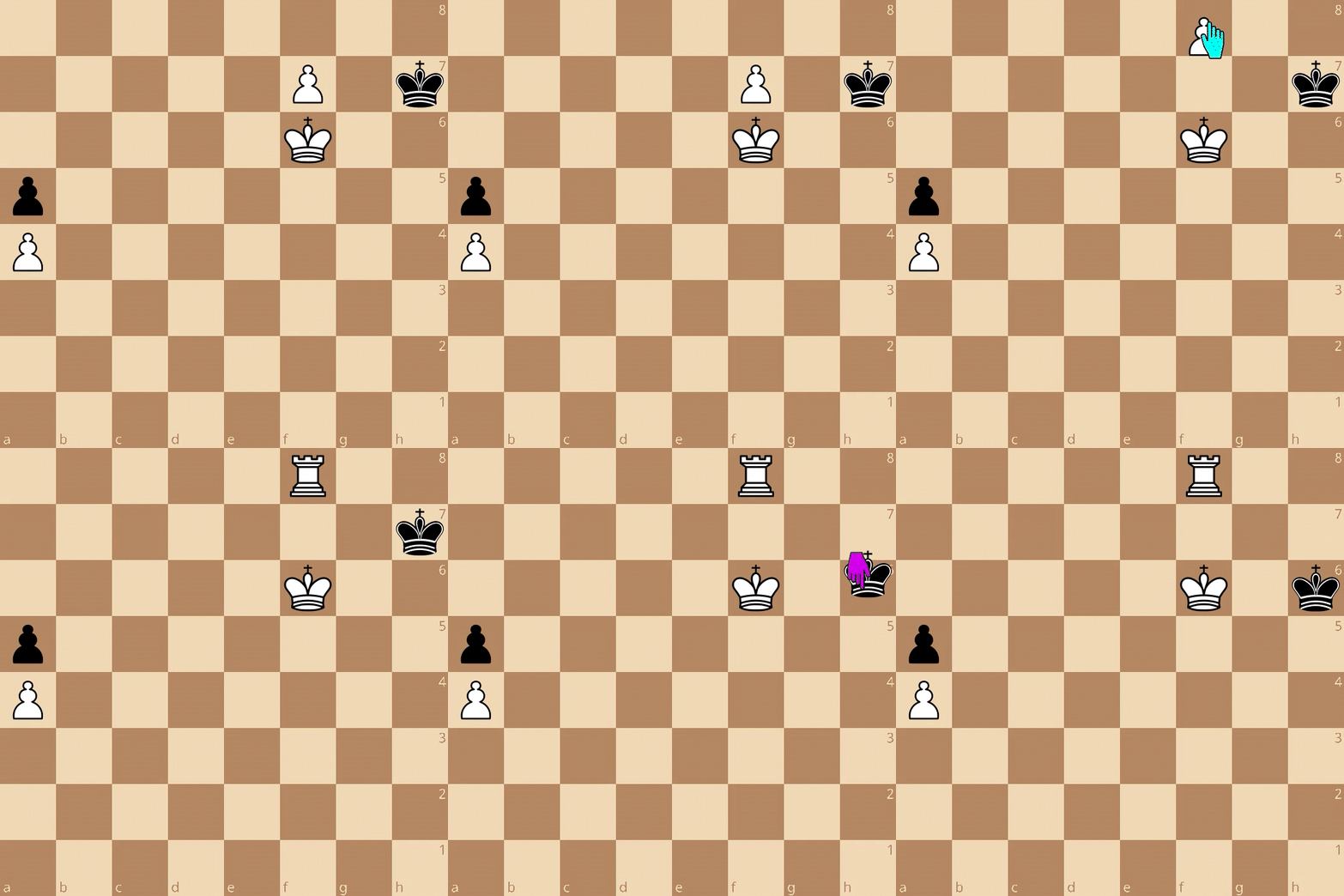
In most cases a player will want to promote to a Queen, however if promoting to a Queen will create a Stalemate a player should choose to promote to a different piece.
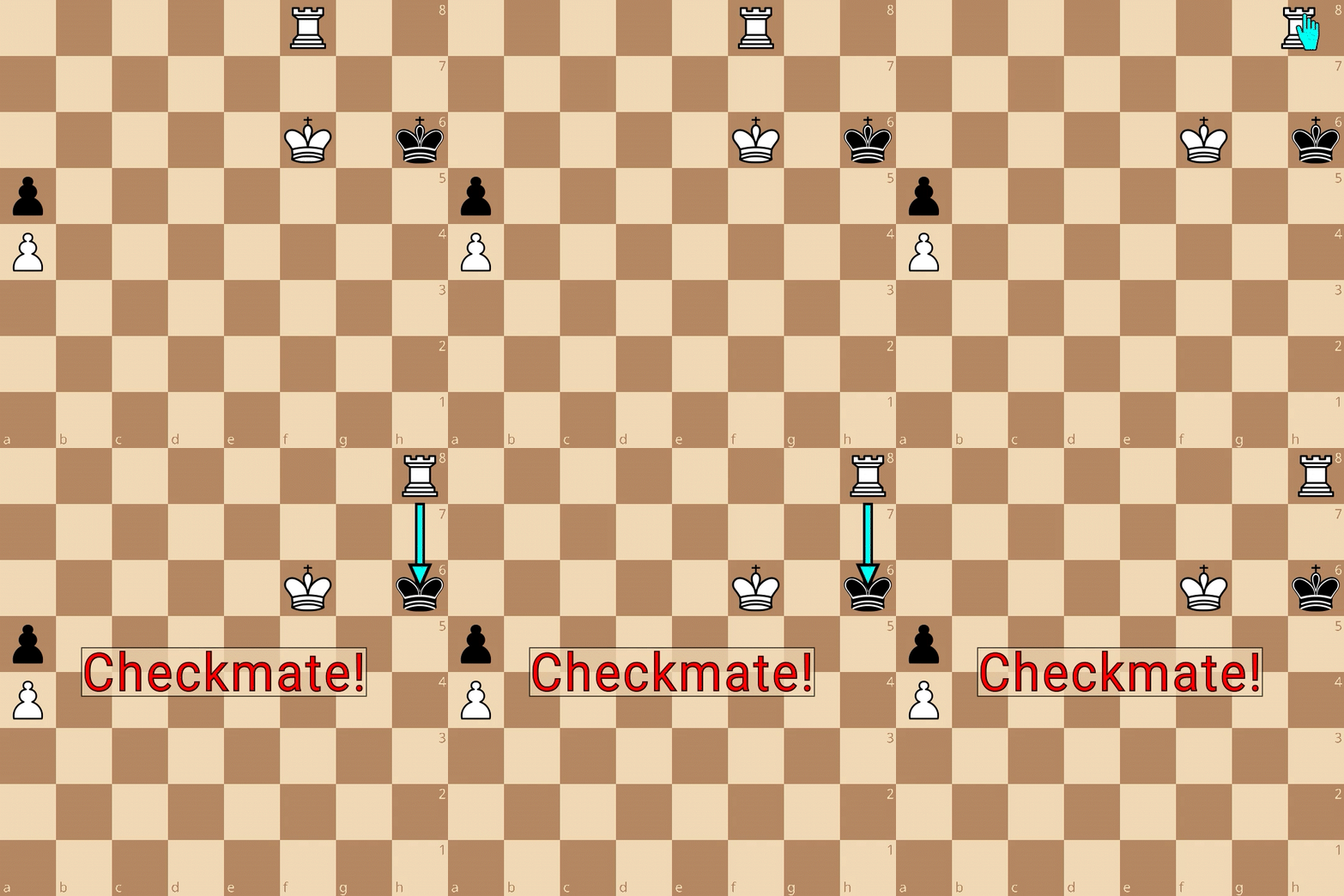
As seen above, after White plays f8 a Stalemate is not created a Black has 1 legal move, King to h6, or Kh6.
After Black plays Kh6 White can now use their Rook to create Checkmate!

There are actually a few other ways that a chess game can result in a draw, or tie game. We will cover these other types of draws as our final lesson, but first we want to cover another straight attribute or characteristic of Pawns - the En Passant manuever.
Click the Next button below to learn about En Passant. Clicking the Previous button will take you back to lessons on Pawn Promotion.



Email: support@chattanoogachessdojo.com
Phone: (423) 933-1995
Snail Mail:
4420 Oakwood Dr. #16055
Chattanooga, TN 37416

See the Chattanooga Chess Dojo's privacy policy at www.chattanoogachessdojo.com/privacy-policy